Ingmarsö
A sheltered island haven with calm waters, green paths, and easy family days ashore.
About the harbour
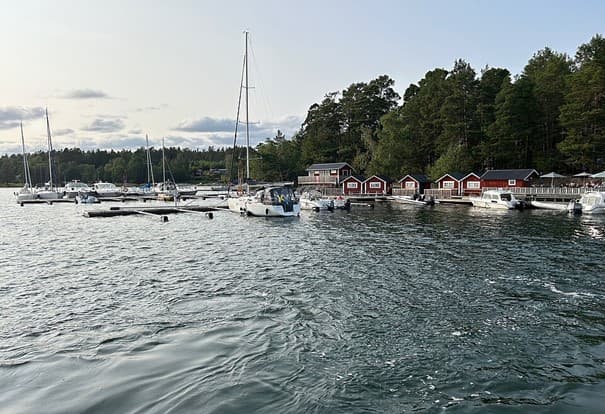
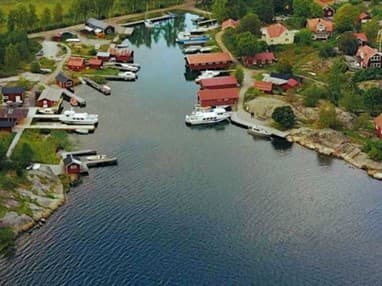
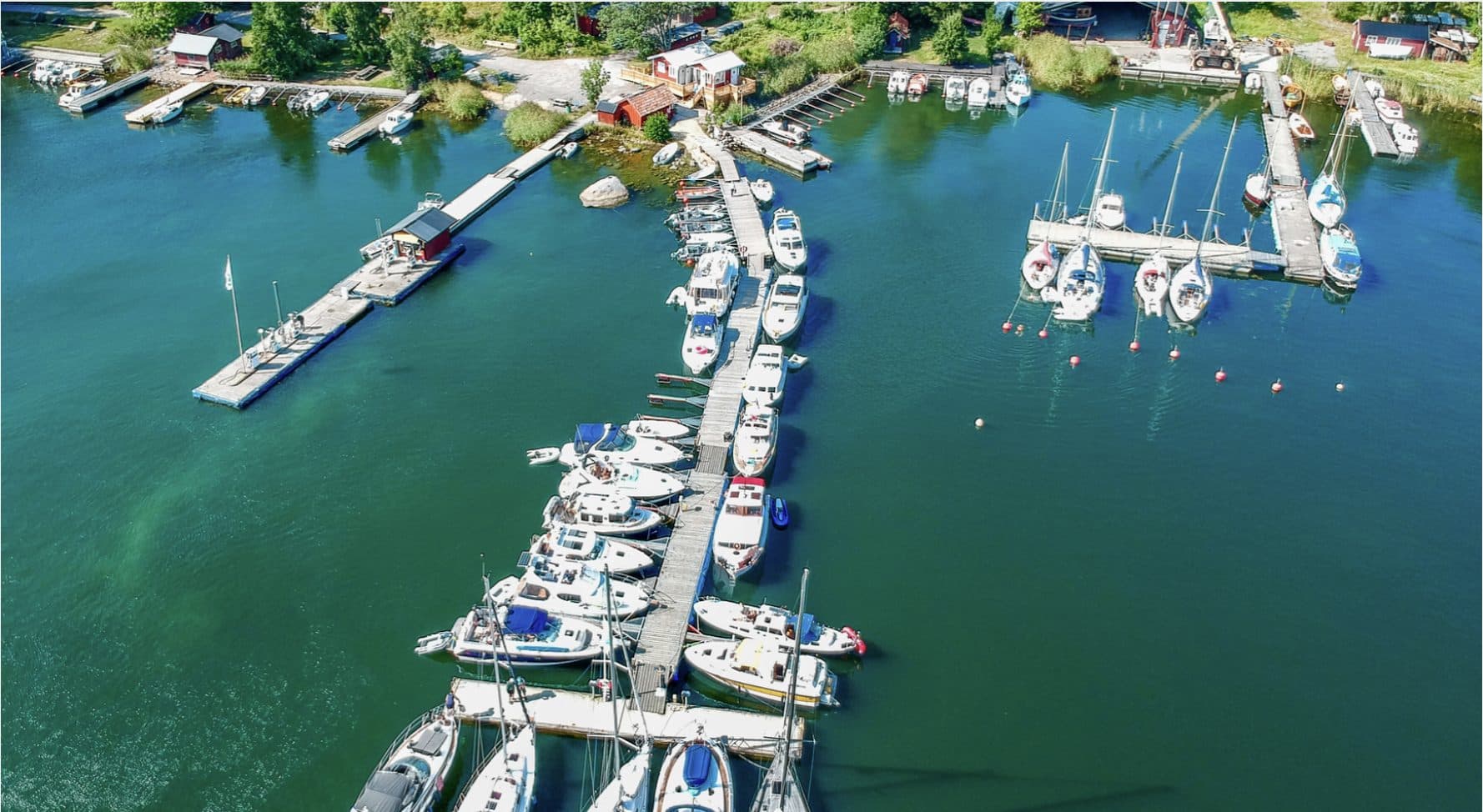
On the southern part of Ingmarsö, Ingmarsö guest harbour is a modern, well-sheltered harbour in the central Stockholm Archipelago. The island combines archipelago nature, local services, and a relaxed island atmosphere, making it a popular stop for day visitors and overnight guests alike.
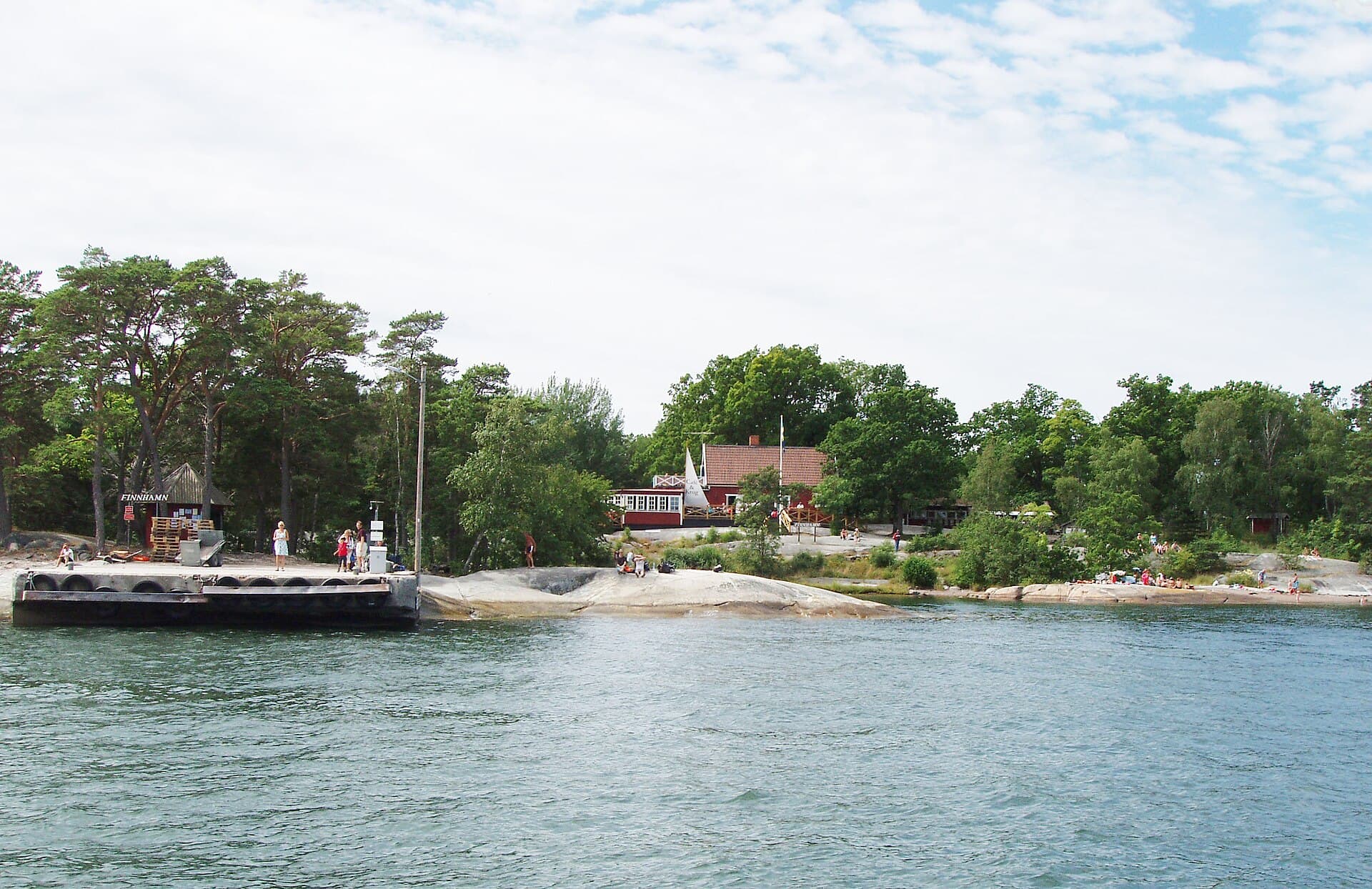
Nearby: Finnhamn, Svartsö and Grinda. Rent a sailboat or catamaran from Stockholm — explore Stockholm.
Find Ingmarsö
Facilities & Services
The harbor offers a wide range of marina services including:
- Drinking water
- Shore power
- Showers
- Sauna
- Washing machine
- Barbecue area
- Fuel
- Sewage disposal
- Bicycle rental
Within walking distance, visitors will also find a restaurant, bakery, grocery store, tourist information, and boatyard services.
Island experience
Ingmarsö is one of the living islands in the middle of the archipelago, with scenic surroundings, hiking trails, and easy access to nearby nature and cultural areas.
Ingmarsö comes to life in the summer but there are activities all year round for the more adventurous. With an active business community and with a preschool on the island, 200 people live here all year round. The island is only accessible by boat and once out on Ingmarsö there is quiet, secluded from the hustle and bustle of the city. Here you will find a grocery store, agriculture, wooden boatyard, museum, hiking trails through nature reserves and cultural landscapes.
The popular Ingmarsö bakery, 1 km from the guest harbor, gives you fresh rolls in the morning with wine and good food in the evening. Ingmarsö Krog, 200 meters from the guest harbor, is open all season and offers good food and a nice hangout.
Ingmarsö krog is open April–October — here you can sit down for a coffee, lunch, drink, or a whole evening with dinner in the company of good friends.
History
The earliest mention of Ingmarsö is in the urbarium from the year 1539; the island’s four farms — Norrgård, Södergård, Västergård and Nästergård — were required to pay tax, including half a barrel of cod, to the king. The islanders of the 19th century subsisted for the most part on fishing and agriculture. As the population increased, a large part of the hay meadows were cultivated. Today, agriculture is run by grazing sheep and horses and mowing winter fodder.
There are several theories about how the island got its name. According to one of them, the name has sprung from all the lakes and inlets, “inmar” in older Swedish, that once existed on the island when the sea level was several meters higher than today. Inmarsö has been transformed into Ingmarsö, which is still a lake-rich island with Storträsk, Lillträsk, Bergmar and Maren. The schoolhouse was inaugurated in 1901 and the store was opened in 1887. The school and the store are still open all year round and today the island’s youngest children go to preschool in the schoolhouse.
The mission house was built by the islanders in 1904 and is still used today.